Riverwalk Rock Hill Amenities: Trails, HOA, Greenway Access
December 4, 2025
December 4, 2025
Picture yourself stepping out your front door and onto a riverside path before breakfast. If you are considering Riverwalk in Rock Hill, you are likely drawn to the Catawba River, the greenway network, and the lifestyle that comes with HOA-managed amenities. You want clarity on which trails are public, what the HOA covers, and how river access works day to day. This guide walks you through what to expect, what to verify, and how to decide if Riverwalk fits your routine. Let’s dive in.
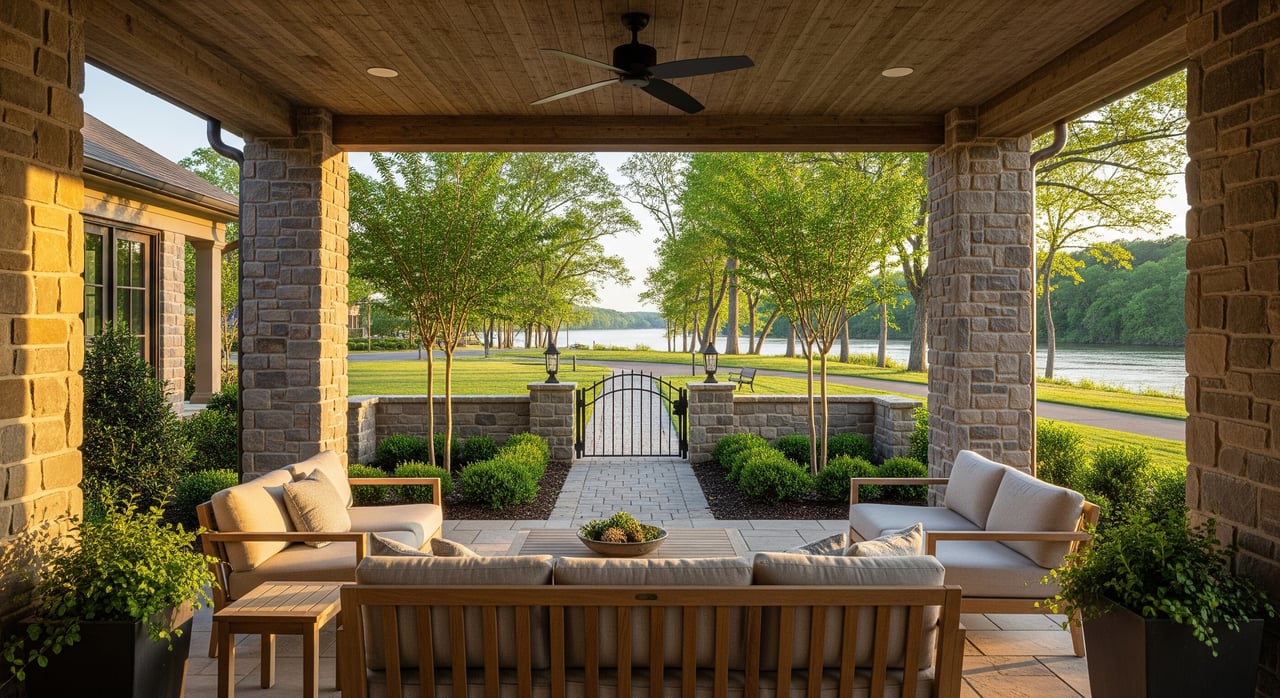
In Rock Hill, developers and agents often use “Riverwalk” to describe neighborhoods near the Catawba River or along adjacent greenways. The draw is simple. You get easy outdoor access, trail connections, and shared spaces maintained by an HOA.
You will typically find a mix of single-family homes and townhomes, often on lots designed for walkability and lower yard maintenance. Many communities use HOA-supported landscaping that helps keep common areas tidy without heavy weekend yard work.
Riverfront neighborhoods in Rock Hill sit within city and county planning oversight. The City of Rock Hill and York County coordinate infrastructure, stormwater systems, and public rights-of-way. River access and greenway development involve the city’s Parks & Recreation department and partner groups, with some segments managed by private HOAs or nonprofit landowners.
If you are choosing Riverwalk for an active lifestyle, trails are the headline feature. Understanding how they work will help you plan your daily routine and weekend adventures.
Expect a mix of paved multi-use paths and natural-surface routes. Paved sections are suitable for walking, running, strollers, and most bikes. Natural or crushed-stone segments create a softer surface for hiking or low-impact use.
Some areas may include ADA-friendly slopes and ramps, especially on newer public segments. Smaller internal paths on private property can be steeper or narrower, so it helps to walk them in person if accessibility is a priority.
Public greenways are open to everyone and are typically maintained by the city or county. Private trails within an HOA are governed by community rules, which may limit access to residents and guests.
Know which is which before you buy. A home that backs up to a public greenway will enjoy easy access, yet you can expect more foot and bike traffic nearby. Private connectors often feel quieter, but usage will follow the HOA’s guest and resident policies.
The value of Riverwalk-style living is connectivity. Internal paths often link to longer greenway corridors or riverfront parks. These connections can put you within walking or biking distance of schools, parks, shopping, or transit stops, depending on the exact location.
When touring, ask how the specific streets and paths connect to public greenways beyond the neighborhood. A short connector can turn a local loop into a full Saturday ride.
Public greenways are maintained by the city or county, which covers paving repairs, vegetation control, and trash removal. HOAs handle private connectors and neighborhood trails. Lighting, hours, and patrol presence can vary by segment.
If safety features matter to you, visit at different times of day. Look for lighting, signage, sightlines at curves, and separation from roads. Ask about patrols, ranger programs, or neighborhood security practices.
For many buyers, proximity to the Catawba River is the deciding factor. The fine print matters here. Some launch points in the region are public, while docks within a community may be limited to residents. Whether you can launch a kayak from a neighborhood dock depends on easements and HOA rules.
Before you plan your paddle route, confirm what exists for the specific property: public boat ramps nearby, private docks, storage policies, and guest access. It is also smart to stay current on water quality and any recreational advisories by checking with local river stewardship organizations and city departments.
A strong HOA can enhance your daily life. It can also add recurring costs and rules that shape how you use your home. Go in with clear expectations.
HOA dues typically fund landscaping of common areas, maintenance of private trails, insurance for shared spaces, and management company fees. If the community offers a pool, clubhouse, playgrounds, or fitness areas, dues support those too. Amounts and services vary by neighborhood and by product type, such as townhomes versus single-family homes.
Ask for the current fee schedule, a detailed budget, and the reserve study. Review whether there have been recent special assessments and why.
Architectural review rules often cover exterior changes, including paint colors, fences, sheds, and landscaping. You will also see pet policies, leash requirements on trails, and cleanup rules. If you plan to rent, check for minimum lease terms or short-term rental limits.
For amenities like a pool or dock, review guest limits and reservation policies. These are the small details that make summer weekends smoother.
Find out if the HOA is self-managed or uses a professional company. Ask about the process for submitting requests, reporting violations, and resolving disputes. Most HOAs use notices and fines for enforcement, with timelines outlined in the governing documents.
Recent meeting minutes are your window into how the board operates, resident concerns, and any upcoming projects.
When trails sit close to home, movement becomes part of your day. Morning runs on the greenway, afternoon rides with kids, and relaxed dog walks along the river are routine.
Lower yard maintenance, paired with shared spaces, can be a relief if you prefer time on the trail over yard work. For hybrid or remote professionals, the neighborhood feel and outdoor access add balance to a home office day.
Commuting options depend on your exact address and routine, whether you work in Rock Hill, greater York County, or elsewhere in the Charlotte metro area. If you are moving from out of state, confirm internet providers and speeds for your specific street to support remote work.
For schools, Rock Hill addresses are commonly served by Rock Hill Schools, but assignments depend on attendance zones. Verify school placement for the exact property address with the district before you make a decision. Proximity to healthcare, including urgent care and hospital systems, is another practical factor for families.
From a market standpoint, homes with strong greenway and river access often command a premium relative to similar homes without those features. HOA amenities and well-kept common areas can help resale value, yet they come with ongoing dues.
Riverfront living has real advantages, and it comes with considerations to evaluate upfront.
Use this list to gather facts before you write an offer. Ask for documents, walk the property and trails, and contact the right offices when you need clarity.
Do a daytime and evening walk to see lighting, activity levels, and sightlines. Bring a bike to test surface changes and trail connections. If you plan to paddle, locate public launch points and confirm whether neighborhood docks are private.
Ask neighbors about weekend patterns, parking near trailheads, and guest access to amenities. If you love quiet mornings, note how close you are to the most popular segments.
Finally, read the HOA rules before you fall in love with a yard plan. Exterior guidelines and rental policies are easiest to accept when you know them early.
If Riverwalk is on your list, get a head start by pairing a greenway visit with a document review. With the right prep, you can weigh outdoor access, HOA value, and daily convenience with confidence.
If you would like a guided tour of trail access points, help decoding HOA documents, or support aligning your search with your lifestyle, connect with LaRay Hampton. You will get boutique, concierge service backed by deep local knowledge across Rock Hill and the broader Charlotte region.
Stay up to date on the latest real estate trends.

Known for her personalized approach and dedication, LaRay ensures a seamless buying or selling process. Trust her to provide attentive, professional service and skillful negotiation to achieve your real estate goals.