House Hacking in Charlotte NC: Duplexes, ADUs & HOAs
January 1, 2026
January 1, 2026
Can your home help pay for itself? In Charlotte, more buyers are using house hacking to lower their monthly costs while building equity. If you are weighing a duplex, an accessory dwelling unit, or even renting a spare room, you want a clear path that fits local rules and your financing. This guide breaks down what works in Charlotte, what to verify, and how to move from idea to action with confidence. Let’s dive in.
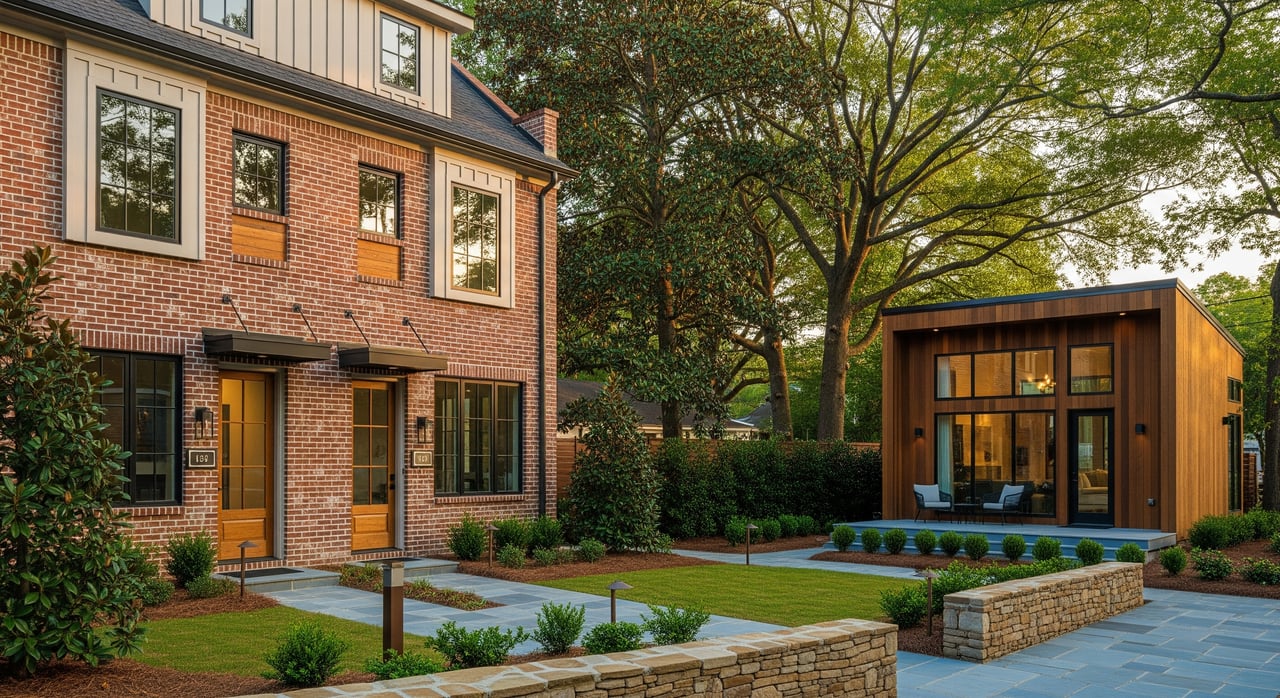
House hacking simply means you live in one part of your property and rent the other. In Charlotte, common setups include a duplex or small multi‑unit where you live in one unit, a single‑family home with an ADU like a detached studio or garage apartment, and renting spare bedrooms or a finished basement in your home. Each option has different permitting, financing, and day‑to‑day responsibilities. Your best choice depends on your budget, timeline, and tolerance for construction or shared spaces.
Charlotte’s Unified Development Ordinance, often called the UDO, sets the rules for ADUs, parking, setbacks, and where multi‑unit homes are permitted. Before you fall in love with a plan, confirm whether the property sits inside Charlotte city limits or an unincorporated part of Mecklenburg County. The rules and permitting steps can differ by jurisdiction. Plan to verify zoning allowances, dimensional standards, parking, and the permit process with City of Charlotte Planning and Zoning or Mecklenburg County staff.
Many buyers use owner‑occupied financing to make the numbers work. FHA financing can allow qualified buyers to purchase 1–4 unit properties with lower down payments, which is helpful for duplexes and small multi‑unit homes. VA loans offer favorable terms for eligible veterans and service members buying 1–4 unit properties they will occupy. Conventional loans also support 2–4 unit owner‑occupied purchases, though down payments, reserves, and credit standards often increase with more units.
Renovation products like FHA 203(k) or Fannie Mae HomeStyle can wrap purchase and construction into one closing if you plan to add or finish an ADU. Local portfolio loans and credit unions sometimes provide flexible alternatives if you do not fit standard agency guidelines. Ask lenders how they treat projected rental income, what reserves they require, whether renovation loans are available, and how long you must live in the home. A common owner‑occupancy requirement is 12 months, but you should confirm details with your lender.
If you buy a 2–4 unit property and live in one unit, lenders usually treat it as owner‑occupied multi‑unit financing. Expect the appraisal to reflect a 2–4 unit configuration and habitability standards. Some lenders allow projected rent from other units to offset your mortgage, using leases or market rent studies. Separate utilities can simplify management and billing. If utilities are shared, spell out who pays for what in your leases.
ADUs can be internal, attached, or detached. Your feasibility depends on what the UDO allows for your zoning district, along with lot size, setbacks, height, and lot coverage rules. Confirm parking requirements and whether owner‑occupancy is required for either the main home or the ADU. If you plan a detached structure, check utility hookup needs, life‑safety items like egress and smoke detectors, and whether your property uses sewer or septic. You will need building permits and zoning clearance, so clarify process, timelines, and inspections before you budget.
If the home sits in an HOA, the HOA documents control. Covenants can be more restrictive than city rules. HOAs may limit rentals, require minimum lease terms, prohibit short‑term rentals, or restrict ADUs and exterior changes. Always request and read the full CC&Rs, bylaws, and architectural guidelines. Look for rental caps and approval processes, then seek written clarification from the association on ADUs and rental policy before you commit.
Short‑term rental rules are often different from long‑term rentals. Many HOAs ban short‑term rentals, and cities may require specific licensing or compliance steps. If part of your plan involves short‑term stays, verify both municipal rules and your HOA’s restrictions first. A long‑term rental strategy can be simpler to finance and manage while you learn the basics.
You must report rental income, and you can deduct rental expenses tied to the rented portion of the property. Residential rental property can be depreciated over 27.5 years, which often reduces taxable income. When you live in part of the home and rent part, you will allocate expenses and depreciation between personal and rental use. Mortgage interest is split the same way. On sale, any depreciation taken is subject to recapture, so planning matters.
Update your insurance coverage when you begin renting. A landlord or endorsement policy may be required, especially for a detached ADU. Learn the basics of North Carolina landlord‑tenant law, including deposits, notice timelines, disclosures, and eviction procedures. Safety and code items like smoke detectors, proper egress, and ceiling heights are essential.
A quick cash flow model helps you compare options. Gather these inputs:
Basic monthly net cash flow equals total rent minus mortgage, taxes, insurance, HOA, owner‑paid utilities, operating expenses, and vacancy. Plug in actual Charlotte rent comps and your tax numbers to test scenarios. If your plan includes construction, model both during‑construction costs and stabilized income after completion.
You do not have to figure this out alone. I help you target properties that already work as a duplex or small multi‑unit, or single‑family homes with clear ADU potential. I coordinate lender introductions, line up inspectors and contractors, and help you request the right HOA documents early. From zoning checks to offer terms that protect your plan, you get concierge‑level support with a clear strategy for your goals.
Ready to explore house‑hackable homes or plan your ADU budget? Let’s connect and build your path to lower monthly costs and long‑term equity with a property that fits your life in Charlotte. Reach out to LaRay Hampton to get started.
Stay up to date on the latest real estate trends.
Known for her personalized approach and dedication, LaRay ensures a seamless buying or selling process. Trust her to provide attentive, professional service and skillful negotiation to achieve your real estate goals.