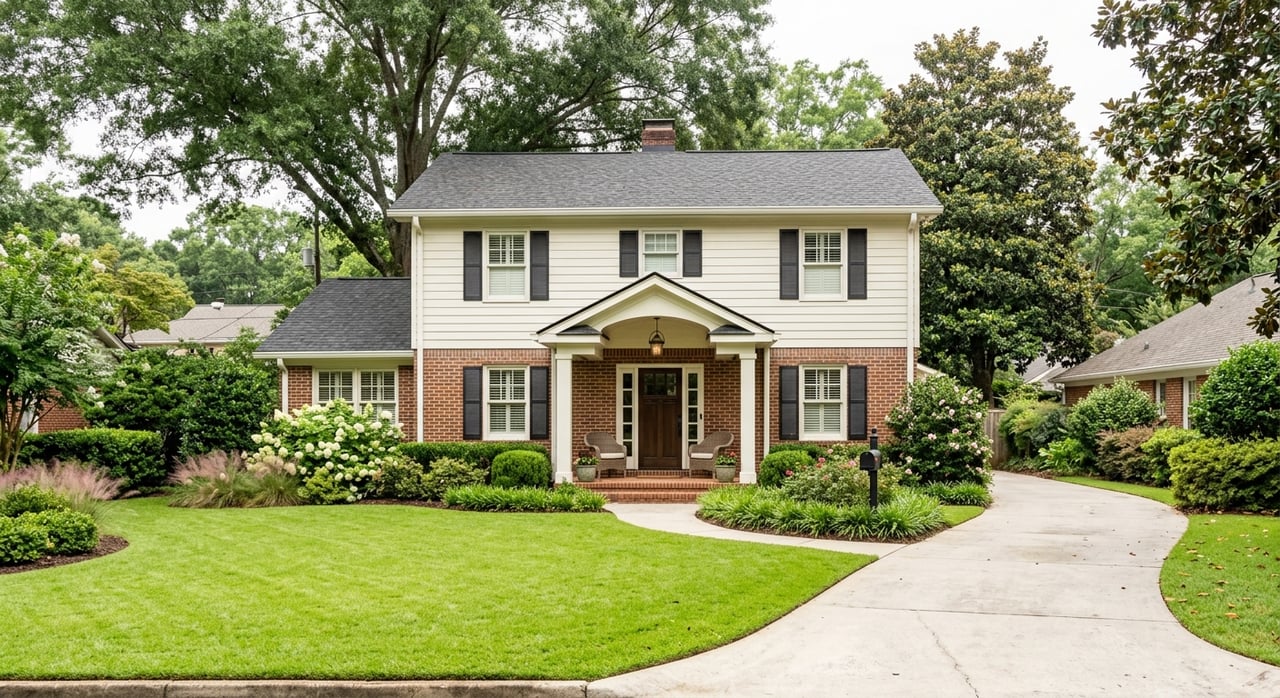
Your Step-by-Step Plan for Relocating to Fort Mill SC
May 14, 2026
May 14, 2026
Thinking about moving to Fort Mill? You are not alone. This York County town has grown quickly, and for good reason: it offers access to the Charlotte area, a historic downtown core, active parks and recreation options, and a strong owner-occupied housing profile. If you are relocating from out of town, the smartest move is to treat your search like a plan, not a sprint. In this guide, you will learn how to narrow your options, verify the details that matter, and move from online research to closing day with more confidence. Let’s dive in.
Fort Mill is an incorporated South Carolina town just south of the North Carolina line, near Rock Hill and Charlotte. Its Main Street area still anchors the local core, while the town continues work on park upgrades, community-center improvements, and water and sewer infrastructure projects.
Recent Census QuickFacts estimate Fort Mill at 36,244 residents as of July 2024. That same data shows a median household income of $121,823, an owner-occupied housing rate of 83.4%, and a mean commute time of 26.3 minutes. In simple terms, Fort Mill appeals to many buyers who want suburban ownership, regional access, and day-to-day convenience.
The town also has a distinctly family-heavy profile. Census data shows 30.2% of residents are under 18, and 57.6% of adults hold a bachelor’s degree or higher. That combination helps explain why so many relocation buyers put Fort Mill on their short list.
If you are moving from another city or state, your first goal is not to tour everything. Your first goal is to filter well. Fort Mill is a market where property-specific details can change your experience more than the mailing address alone.
A remote-first search works well here. Census data shows 98.4% of households have a computer and 96.0% have a broadband subscription, which supports the kind of digital workflow many relocation buyers already prefer. Saved searches, virtual tours, video walkthroughs, document review, and strategy calls can help you narrow the field before you spend money on travel.
This is where a structured process matters. Instead of trying to learn Fort Mill in one rushed weekend, you can first define your budget, commute priorities, preferred housing style, and monthly payment range. Then you can use those filters to build a focused tour plan.
Before you book a trip, get clear on what matters most in your next home. For some buyers, the top issue is commute access. For others, it is lot size, home age, neighborhood amenities, or monthly carrying costs.
A helpful starting checklist includes:
When you know your must-haves versus your nice-to-haves, you can evaluate listings faster and with less stress.
One of the biggest relocation mistakes is assuming a Fort Mill mailing address tells you everything you need to know about school assignment. It does not. The Fort Mill School District states that students attend school based on the attendance area tied to their permanent residence.
The district operates 20 schools total, including 11 elementary schools, 6 middle schools, and 3 high schools. Because assignment is based on the specific residence, parcel-level verification is the safest path. If school attendance is important to your move, confirm the assignment for each home you are seriously considering rather than relying on a listing description or general area name.
Fort Mill relocation buyers often focus on the home and the neighborhood, but the service details matter too. Fort Mill’s Utilities Department provides water, sewer, stormwater, engineering review, and related services for about 8,600 metered customers and roughly 13,000 addresses. However, some nearby subdivisions outside town limits are served by York County Utilities.
That means two homes with similar Fort Mill addresses may not have the same utility provider or the same service setup. On top of that, many communities have homeowners associations, and responsibility for stormwater systems or road rights-of-way may fall to the town, the HOA, or the homeowner depending on the property.
Before you make an offer, confirm:
These details shape your monthly costs and your ownership experience.
If you are relocating to South Carolina, property tax classification deserves special attention. The South Carolina Department of Revenue states that property tax is administered and collected locally, while York County’s assessor guidance notes that the standard real-property assessment ratio is 6%.
A home designated as a Primary Legal Residence uses a 4% assessment ratio instead. That difference can affect your carrying costs in a meaningful way. If you are deciding between a full-time move, a second home, or an investment purchase, make sure you understand how the property is expected to be classified.
Relocation moves are easier when you work backward from your desired move date. That gives you time to search, travel, negotiate, inspect, and close without feeling rushed.
Market pacing also matters. A recent March 2026 market snapshot reported a median sale price of $532,000 in Fort Mill, with homes selling in about 86 days on average and receiving two offers on average. That suggests you may have more room to evaluate options than in a lightning-fast market, but timing can still vary by price point, condition, and location.
A practical timeline often looks like this:
When you do visit Fort Mill, make the trip count. Your goal is not just to see houses. Your goal is to understand how each area may fit your daily life.
Fort Mill’s history and location make commute testing especially important. The town is tied closely to I-77, U.S. Highway 21, Charlotte, and Rock Hill, so route access can change how a neighborhood feels from one buyer to another.
During your visit, consider this checklist:
This kind of fieldwork helps you move beyond online photos and into real decision-making.
If you are considering a newly built home, add another layer of due diligence. Fort Mill’s official homepage states that Town Council adopted a temporary moratorium on the acceptance and processing of certain development-related applications on March 31, 2026.
That does not mean you cannot buy new construction in Fort Mill. It does mean you should confirm lot availability, permit timing, and project schedules directly with the builder and the town before making plans around a spec home or build-to-order timeline. This is especially important if you are coordinating a move across state lines.
Once you go under contract, details matter even more. Long-distance buyers should build in buffer time between inspection, appraisal, and closing so there is room to address the normal bumps that can come up during a purchase.
You should also watch the closing calendar carefully. Buyers must receive the Closing Disclosure at least three business days before closing, so that date becomes an important checkpoint as you line up movers, travel, and final funds.
Security is another major issue. Wire fraud often involves emails that appear to come from a title company with last-minute instructions to send funds elsewhere. The safest approach is to verify any wire instructions or account changes by calling a known phone number and avoiding action on urgent email changes alone.
As you compare homes, ask questions that go beyond the listing sheet. In Fort Mill, the right home is often the one that balances commute, monthly cost, and neighborhood fit, not just the one with the newest finishes.
Focus on these four questions early in your search:
Those questions can save you time, reduce surprises, and help you compare properties more clearly.
Relocation is about more than closing on a house. It is also about how your days will feel after move-in. Fort Mill’s parks and recreation offerings include parks, playgrounds, youth sports, adult sports, tennis, pickleball, and reservation options, which gives buyers a real sense of the town’s activity base.
Fort Mill is also not simply “Charlotte south.” It is a fast-growing suburban town with a historic core, strong ownership patterns, and enough variation from one property to the next that careful verification matters. For many buyers, that mix of access and local identity is exactly the appeal.
If you want to relocate to Fort Mill with less guesswork, keep your process simple and disciplined. Start online, filter hard, verify each property carefully, and use your visit to confirm the lifestyle details you cannot fully assess from afar.
That approach helps you protect your time, your budget, and your peace of mind. And when you have a local guide who understands both the Greater Charlotte picture and Fort Mill’s property-level details, the whole move can feel much more manageable.
If you are planning a move to Fort Mill and want a clear, personal strategy from the start, LaRay Hampton would love to help you create a smart, step-by-step plan.
Stay up to date on the latest real estate trends.
Known for her personalized approach and dedication, LaRay ensures a seamless buying or selling process. Trust her to provide attentive, professional service and skillful negotiation to achieve your real estate goals.